
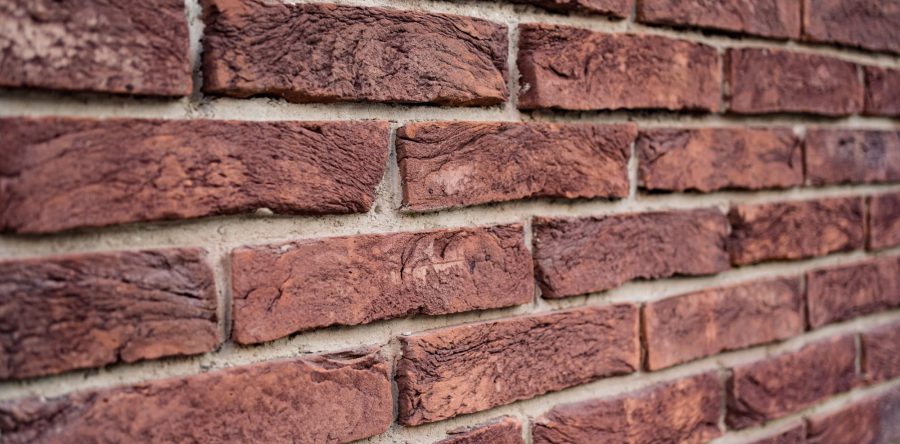
Brick structures are built to last, but even the strongest masonry deteriorates over time. Weather exposure, moisture, and natural settling can lead to cracks, crumbling mortar, and weakened stability. Ignoring these issues can result in costly repairs or even structural failure. One of the best ways to restore aging brickwork is through tuckpointing near me Skokie —a specialized masonry technique that replaces deteriorating mortar to reinforce and protect the structure.
As experienced masonry contractors, we often find that homeowners overlook early warning signs of masonry damage. Here’s how to tell if your brickwork needs tuckpointing or other repairs.
1. Crumbling or Missing Mortar Joints
Mortar is the material that binds bricks together, and when it starts to crack or erode, the entire structure weakens. If you notice gaps, loose mortar, or crumbling joints, it’s a clear sign that your brickwork needs tuckpointing. This process involves carefully removing the damaged mortar and replacing it with fresh, precisely matched mortar to restore strength and stability.
2. Spalling Bricks (Flaking, Chipping, or Peeling)
Spalling occurs when water seeps into bricks and causes them to crack, flake, or break apart. This is especially common in areas with freeze-thaw cycles, where trapped moisture expands in freezing temperatures. If left untreated, spalling can spread, leading to severe structural damage. A masonry contractor can replace the affected bricks and apply protective coatings to prevent further deterioration.
3. White Powdery Residue (Efflorescence) on Brickwork
If you notice a white, chalky residue on your brick surfaces, this is called efflorescence. It occurs when moisture evaporates from the bricks, leaving behind salt deposits. While not immediately dangerous, efflorescence signals water penetration, which can cause long-term damage if not addressed. Proper drainage, waterproofing, and tuckpointing can help prevent further moisture-related issues.
4. Bowing or Bulging Brick Walls
If sections of your brick wall appear to bulge or lean outward, this is a serious warning sign. Bulging or bowing bricks often indicate moisture damage behind the wall, which weakens the bond between the bricks and mortar. Without prompt repairs, the wall could collapse. A professional masonry contractor can assess the situation and determine whether tuckpointing, reinforcement, or full brick replacement is needed.
5. Stair-Step or Vertical Cracks in Brickwork
Cracks in bricks or mortar joints are one of the most common signs of masonry damage. Vertical cracks may be caused by normal settling, while stair-step cracks along mortar joints often point to foundation issues. Regardless of the cause, cracks can grow over time, leading to structural instability. Tuckpointing can repair minor mortar cracks, but severe damage may require additional reinforcement.
6. Water Damage, Mold, or Mildew Growth
Moisture can severely impact brickwork, leading to staining, mold, and mildew. Water penetration can also weaken mortar joints, accelerating deterioration. If you see dark patches, moss growth, or excessive moisture buildup, it’s essential to address the issue before it worsens. Sealing, waterproofing, and tuckpointing can help prevent further damage.
7. Leaning or Deteriorating Chimney
A chimney should always stand perfectly upright. If you notice your chimney tilting, shifting, or losing bricks, it’s a sign that the mortar joints are failing. A leaning chimney is a significant safety hazard and should be repaired immediately. Tuckpointing can reinforce the chimney’s mortar joints and extend its lifespan, preventing costly structural repairs down the road.
Preventative Masonry Maintenance: How to Protect Your Brickwork
While brickwork naturally ages, you can extend its lifespan with proper maintenance:
✔️ Schedule Regular Inspections – Check for cracks, loose bricks, or deteriorating mortar at least once a year.
✔️ Maintain Proper Drainage – Ensure gutters and downspouts direct water away from masonry surfaces.
✔️ Apply a Masonry Sealer – A breathable sealant can help prevent moisture infiltration.
✔️ Invest in Tuckpointing Early – Addressing mortar deterioration before it worsens can save money on future repairs.
Need Tuckpointing or Masonry Repairs? Contact a Professional Today!
If you’ve noticed any of these warning signs, it’s time to call a trusted masonry contractor. Whether your brickwork needs tuckpointing, waterproofing, or full restoration, addressing these issues early can prevent more extensive and expensive repairs.

